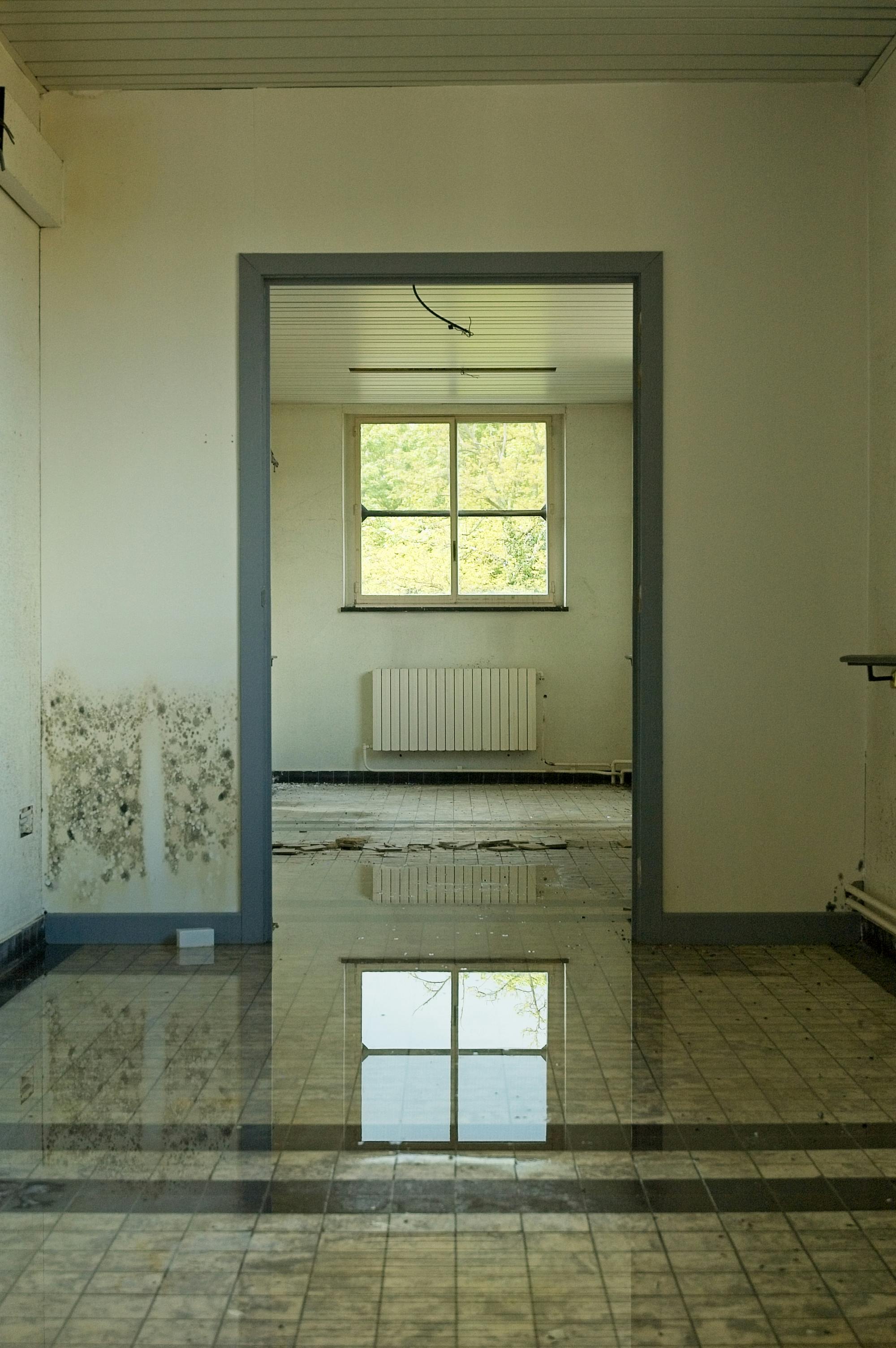
That small stain might not be as harmless as it looks
You notice a small yellow stain on your ceiling. At first, it seems harmless. Maybe it's just old paint. Maybe it's a small issue that can wait until next month. A few weeks later, the stain becomes larger. Paint starts peeling. The ceiling feels damp. In some cases, water may even start dripping during rain or after using water systems inside the property.
This situation is common across Dubai and other parts of the UAE. Many property owners delay repairs because the visible stain appears small. Unfortunately, what you see on the ceiling is often only a small sign of a much larger problem hidden inside the building structure. Understanding the cause of ceiling leaks and taking action early can help prevent expensive repairs and long-term damage.
Why ceiling leaks are so common in Dubai
Many people assume leaks only happen during heavy rainfall. In reality, water leakage can occur throughout the year. Dubai's climate creates unique challenges for buildings. Extreme heat causes building materials to expand and contract daily. Over time, small cracks may develop in roofs, walls, waterproofing membranes, pipe penetrations, and expansion joints.
When moisture finds a path into the structure, it often travels unseen before appearing on an interior ceiling. The actual leak source may be several meters away from the location where the water stain becomes visible. This is why professional leak detection is so important.
Common causes of ceiling leaks in UAE buildings
Roof waterproofing failure: One of the most common causes is aging roof waterproofing. Over time, waterproofing membranes can deteriorate due to UV exposure, heat stress, standing water, poor installation, or lack of maintenance. When the waterproofing system weakens, moisture begins entering the roof slab. Eventually, water appears inside the property.
Cracked roof surfaces: Small roof cracks often go unnoticed. Property owners may only discover the issue after water damage becomes visible indoors. Even hairline cracks can allow moisture to enter concrete structures over time.
Pipe leakage: In villas and apartments, leaking water pipes can also cause ceiling stains. This is particularly common in bathrooms, kitchens, and laundry areas. A slow pipe leak may continue for months before becoming visible.
Air conditioning drain problems: Dubai properties rely heavily on air conditioning systems. Blocked condensate drains can cause water overflow that eventually affects ceilings and walls.
Bathroom waterproofing failure: Bathrooms located on upper floors are another frequent source of ceiling leaks. Failed waterproofing beneath floor tiles allows water to travel into surrounding structures. The damage often appears on the ceiling below.
Early warning signs you should never ignore
Many leaks provide warning signs before serious damage occurs. Look for yellow or brown ceiling stains, peeling paint, damp patches, mold growth, musty smells, bubbling plaster, or cracks around ceiling corners. The earlier these signs are addressed, the easier and less expensive the repair typically becomes.
Why delaying repairs can be expensive
A common mistake is waiting until the leak becomes severe. Water damage rarely improves on its own. Instead, it usually spreads. Continued moisture exposure can damage concrete, corrode reinforcement steel, weaken plaster, destroy paint finishes, promote mold growth, and damage furniture and electronics. A repair that might have been simple initially can become a major restoration project later.
The importance of professional leak detection
Finding the true source of a leak is often the most difficult part of the repair process. Many property owners focus on the visible damage rather than the actual source. For example, repainting a stained ceiling may temporarily improve appearance, but the stain will often return if the underlying leak remains unresolved. Professional inspections typically focus on roof conditions, waterproofing systems, pipe penetrations, drainage points, expansion joints, external walls, and wet areas. Identifying the source correctly is the first step toward a lasting solution.
How roof waterproofing helps prevent ceiling leaks
A properly installed waterproofing system acts as a protective barrier between the building structure and external moisture. Professional roof waterproofing may include surface preparation, crack treatment, primers, waterproof membranes, protective coatings, and drainage improvements. The goal is not only to stop existing leaks but also to prevent future water penetration.
What to ask before hiring a waterproofing contractor
Not all waterproofing services are equal. Before approving work, ask how the leak source was identified, what repair method will be used, what materials are being applied, whether surface preparation is included, and if there is any warranty coverage. Professional contractors typically provide clear warranty information.
Preventive maintenance saves money
Many major leaks begin as small maintenance issues. Regular inspections can help identify roof cracks, blocked drains, damaged sealants, membrane deterioration, and water ponding areas. Addressing these problems early is usually far more affordable than repairing extensive water damage.
Ceiling leaks in different property types
Villas: Common issues include roof cracks, water tank leakage, and bathroom waterproofing failure.
Apartments: Common issues include upper-floor bathroom leaks, pipe leakage, and air conditioning drainage problems.
Commercial buildings: Common issues include roof membrane failures, expansion joint leaks, and mechanical equipment penetrations. Every property requires a tailored inspection and repair strategy.
Final thoughts
A ceiling stain may seem minor, but it should never be ignored. In Dubai's demanding climate, small leaks can quickly develop into significant structural and cosmetic damage if left untreated. Whether the cause is roof waterproofing failure, bathroom leakage, pipe damage, or drainage issues, early intervention is always the most cost-effective solution. If you notice damp patches, peeling paint, ceiling discoloration, or recurring moisture problems, scheduling a professional inspection can help identify the source before the damage spreads. Protecting your property today can save substantial repair costs tomorrow and help maintain the long-term value of your home or building.
Need help with this issue?
DryGuard.ae can inspect the affected surface, confirm the leak source and recommend a waterproofing system that fits the property and budget.